
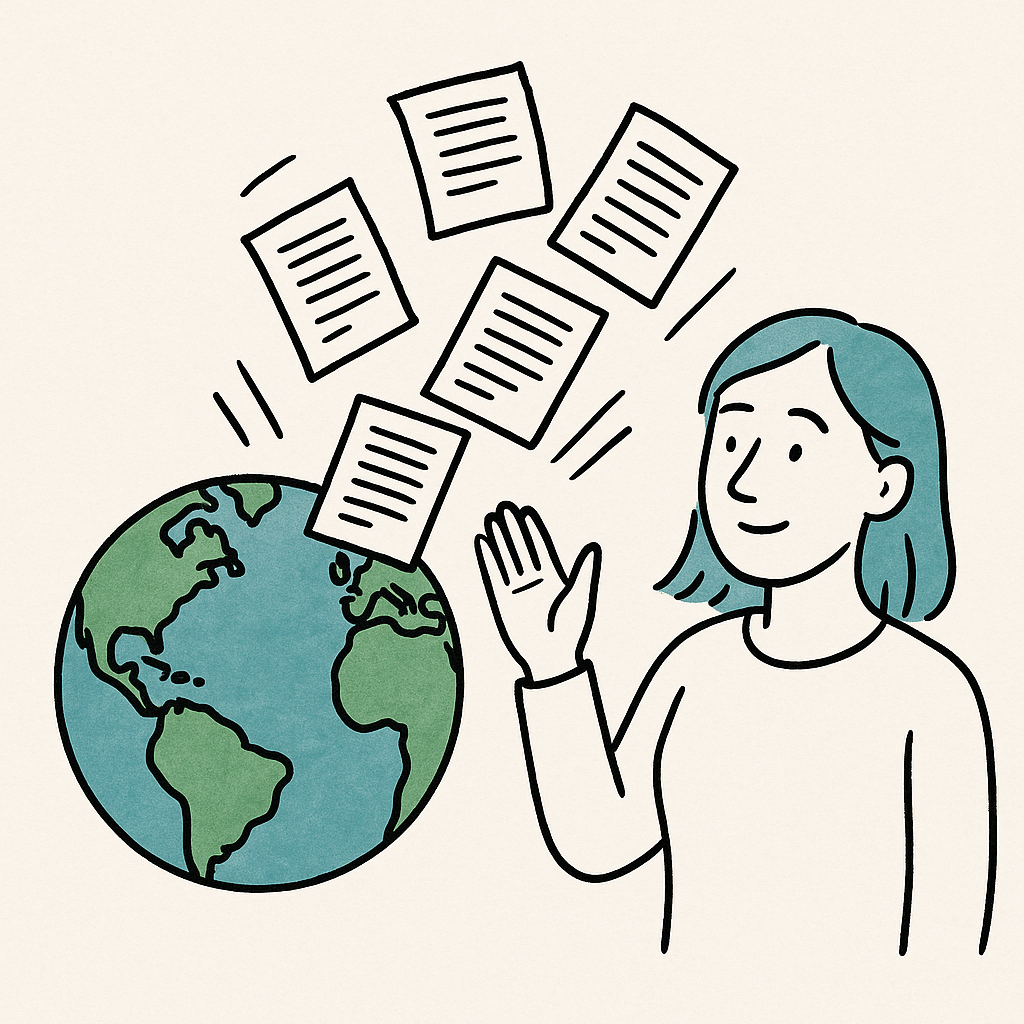
How I plan collaborative papers
In recent years, I’ve found myself working on more and more collaborative papers through technical committees, project teams, or simply with colleagues whose work complements mine. Collaborative writing can be both rewarding and challenging. While it brings in multiple perspectives and shared workload, it also requires careful organization to ensure everyone sends their contributions on time and the final paper is cohesive.
Over the years, I’ve developed a straightforward system to manage these collaborations. It’s nothing fancy: just good communication, a shared schedule, chasing and cajoling when needed, and a lot of polishing at the end. But it works for me, and I’d like to share how I go about it.
The cornerstone of any successful collaboration, in my experience, is clear communication. Early on, I take the initiative to reach out, usually via email, to set expectations. We decide who’s responsible for which sections, and I give everyone an overview of how the process will go.
From there, I make a simple planning text file and develop an outline of the paper with the headings and bullet points of contents (sometimes also important figures). My planning text file includes backwards planning from the submission deadline, with buffer time built in for editing, chasing people, and final polishing. It’s a linear list of dates and tasks; no Gantt charts or fancy software, just a text file I keep in my main writing folder and occasionally share with the team as a reminder. I like text files because they are light and can be easily put in an email’s body text. Here’s an example:
09/10/2025: Eva shares first draft outline
16/10/2025: finalize authors of sections, and deadline for authors to send comments on outline to Eva
20/10/2025: Eva finalizes outline and sets up shared online document in Dropbox
14/11/2025: deadline for all authors to draft their sections
19/11/2025: Eva circulates first full draft (edited for consistency, with discussion, and conclusions added)
26/11/2025: deadline for comments on first full draft
03/12/2025: Eva circulates second full draft
10/12/2025: deadline for final comments and small corrections
15/12/2025: Eva circulates final version for sign-off
19/12/2025: target submission date
end of year: hard submission deadline
I keep bugging people as needed. If someone hasn’t sent their part by the deadline, I’ll follow up: usually gently the first time, more persistently if needed. I start with a reminder email, and then switch to writing in Whatsapp, and end by calling people directly. Reminders are part of the job when coordinating a collaborative paper.
Once I receive all the contributions, I tie everything together. This includes harmonizing writing styles, editing for consistency, formatting according to the journal or conference guidelines, formatting the references correctly (often using Endnote on my end) and most importantly, writing the discussion and conclusion sections. These parts often require a bird’s-eye view of the full story, which makes them a good task for the coordinating author.
At the final stages, I make sure everyone has a chance to review the nearly-final version, and I schedule time for last-minute tweaks. Once everyone gives their sign-off, I proceed with submission.
In conclusion, collaborative writing doesn’t have to be chaotic. With a bit of structure, frequent communication, and careful planning, it can even become a streamlined part of your research routine. My system isn’t perfect, but it helps me turn group efforts into successful submissions: on time and with everyone (usually) happy.
How do you bring collaborative writing efforts to a good end?
Share with your peers!

I have been following you for years.
My field is Accounting and Finance