That time my blog got hacked
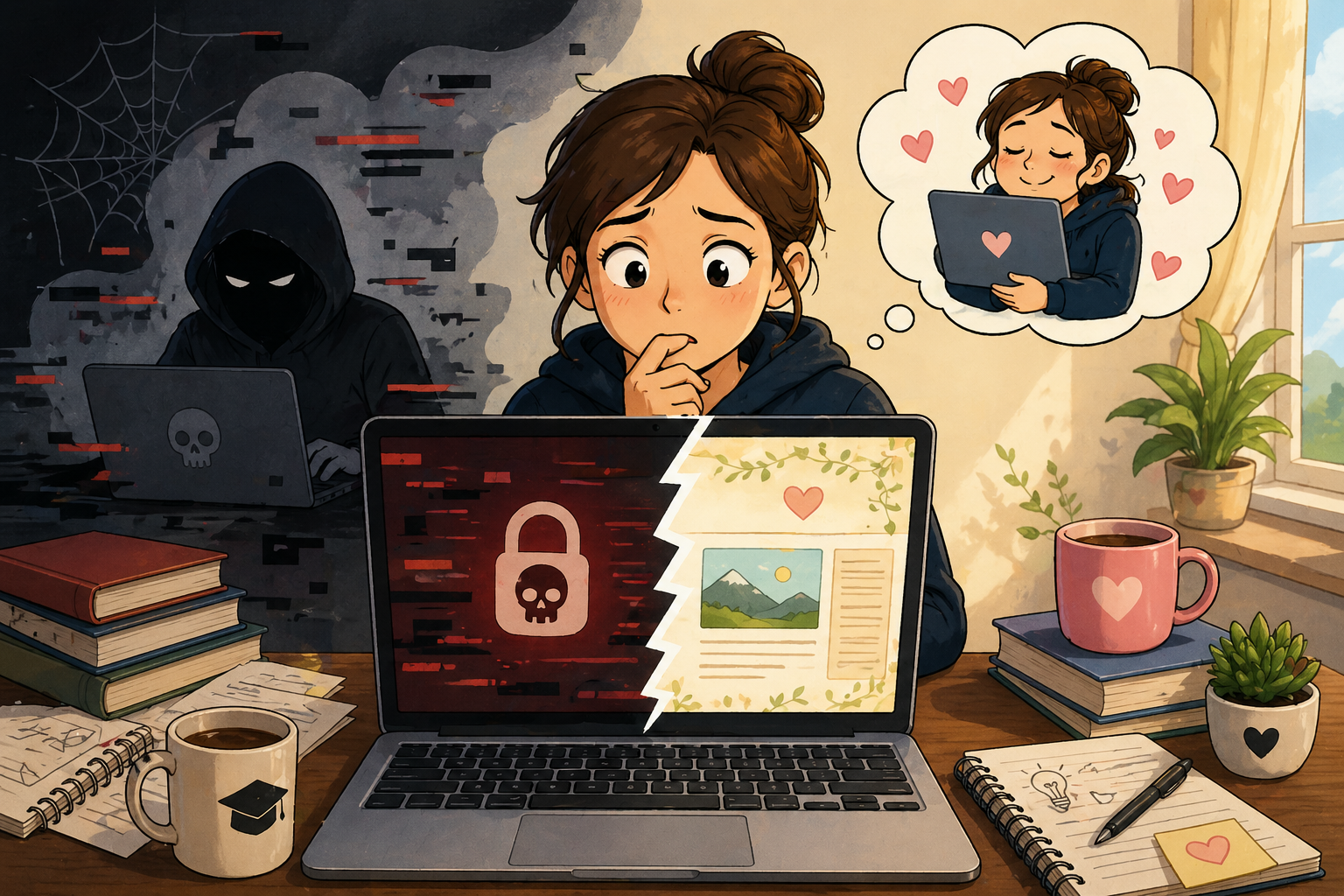
In January of this year, something happened to my blog that every blogger quietly hopes will never happen: it got hacked.
At first, I did not even realize it. There were no dramatic warning signs, no flashing red alerts, and thankfully, no major public chaos – I just couldn’t get past a cloudflare check anymore. From the outside, most readers probably noticed very little. That was entirely thanks to my webmaster, who handled the situation quickly, calmly, and professionally. I am still incredibly grateful for that.
Still, behind the scenes, it was a stressful experience.
I have been writing this blog since 2009. What started as a small space to reflect on academic life gradually grew into a large archive of thoughts on research, productivity, writing, teaching, and the PhD journey. Over the years, hundreds upon hundreds of posts accumulated: small snapshots of ideas, lessons learned, and guest posts from all over the world.
When the blog was hacked, I suddenly had to confront the reality that all of that could disappear.
That was the part that felt truly frightening.
Of course, there were practical inconveniences as well. I lost a number of scheduled posts, which was frustrating because I like to work ahead and keep a steady publishing rhythm. Fortunately, I had drafted material elsewhere, so I could reconstruct those posts relatively quickly. It was annoying, but manageable.
What stayed with me more was the emotional side of it.
A blog is not just a website. Especially after more than fifteen years, it becomes a record of your professional development and personal growth. I can look back at early posts and see a younger version of myself figuring out what it meant to do a PhD, learning how to manage time, struggling with work-life balance, and trying to make sense of academia. In many ways, the blog has been both a public platform and a private archive.
Realizing that this archive could be wiped out by a malicious act made me pause.
We often assume that digital work is permanent because it feels so easily accessible. But permanence is an illusion unless you actively protect it. Backups, security updates, strong passwords, and good technical support are not glamorous topics, but they are essential. They protect not just files, but years of intellectual labor.
In the end, the damage was limited, the blog survived (besides the issue that I lost a number of posts that I had scheduled), and life moved on. Most readers never noticed a thing.
By all means: I hope not to repeat the experience anytime soon.